

 See My Latest Article on HelloNation
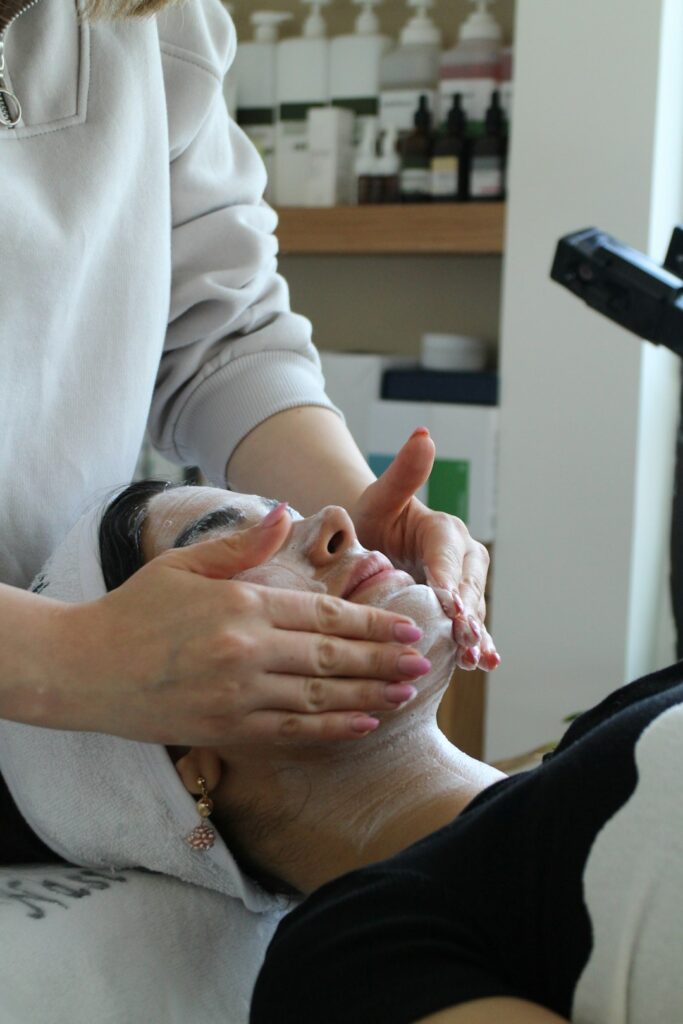
What Does It Mean to Have Sensitive Skin in Hollidaysburg, PA?
Anyone who has lived through the seasonal swings in Hollidaysburg, PA knows the toll that changes in humidity, temperature, and even home heating can take on sensitive skin. Sensitive skin typically reacts more readily to external factors, from products and treatments to environmental influences. Common signs include redness, stinging, itchiness, dryness, or frequent flushing.
In the local climate, winter dryness and summer humidity can both trigger or worsen sensitivity. People might not realize their reactions are connected to both their skin type and the area’s conditions. Sensitive skin is not a diagnosis, but rather a description of how your skin behaves under stress — understanding this can help guide safer, more effective choices for facials.
How Can You Identify a Facial That Won’t Irritate Sensitive Skin?
The safest facials for sensitive skin avoid harsh substances and strong exfoliation. Residents often wonder whether all spa treatments are off-limits; the good news is there are several gentle approaches suitable for most people experiencing sensitivity. Look for facial services that mention:
- Fragrance-free and dye-free products
- Minimal or enzyme-based exfoliation rather than scrubs or peels
- Cooling, calming ingredients like aloe, oatmeal, chamomile, or calendula
- Hydration therapies rather than aggressive clarifying or anti-aging formulas
Reading ingredient lists and asking about protocols is always appropriate. Many people mistakenly believe "natural" equates to "gentle," but some botanicals can actually provoke reactions in sensitive skin.
Which Ingredients Should Sensitive Skin Types Avoid During a Facial?
Some ingredients and procedures are more likely to cause irritation. If your skin is easily upset, watch out for:
- Alcohol-based toners, which can dry and sting
- Synthetic fragrances, a frequent cause of redness or stinging
- Physical scrubs with rough particles, such as walnut or apricot shells
- High concentrations of acids (like glycolic or salicylic acids) unless recommended by a dermatologist
- Long or hot steam sessions, which can trigger flushing for some
Even within sensitive-skin-friendly facials, requesting a patch test for unfamiliar products is wise. Some local residents discover issues only after repeated exposures, not immediately after a single session.
Are There Custom Facial Options for Sensitive Skin?
Yes, many facial treatments can be adjusted for individual needs, which is particularly important in a place like Hollidaysburg where climate and seasonal factors add complexity. Personalization may include:
- Reduced times for exfoliation or massage
- Substituting less reactive products for common irritants
- Focusing on soothing and hydrating steps rather than deep-cleansing
- Layering gentle serums instead of strong actives
Area households might not always realize that describing recent symptoms (such as windburn after winter walks or irritation from pollen in spring) helps salon professionals tailor a safer experience.
How Does Hollidaysburg’s Climate Affect Facial Choices for Sensitive Skin?

Cold winters with indoor heating can sap moisture, making skin feel tight and more reactive. Summertime may bring sweat, sunscreen, and sometimes increased product use, which can clog pores or trigger redness. These shifts influence what type of facial will be most comfortable and helpful at different points in the year.
For example, during the heating season, opt for deeply hydrating and barrier-repairing treatments. Lightweight, non-clogging moisturizers and ample calming ingredients work better in humid summers. Communicating seasonal exposures — like time spent outdoors in wind, sun, or air conditioning — helps ensure your needs are met.
What Are the Most Common Myths About Sensitive Skin and Facials?
Assumptions can lead people with sensitive skin to avoid beneficial treatments or accidentally worsen symptoms. Here are several misconceptions:
- All facial treatments sting or cause redness for sensitive skin — many are designed to comfort and protect.
- Sensitive skin can’t tolerate any exfoliation — enzyme-based or gentle options often help more than harm if properly chosen.
- Hydration solves everything — sometimes, inflammation or ingredient sensitivity play a bigger role.
- Only prescription or medical-grade treatments help — over-the-counter and spa-level facials can offer gentle support when matched well to your skin’s condition.
How Can Area Residents Prepare for a Sensitive Skin Facial?
Taking small steps before a facial improves outcomes and reduces risks. It’s helpful to:
- Avoid trying new products at home for several days before a scheduled treatment
- Communicate any history of reactions, even if they didn’t seem major
- Pause use of retinoids, acids, or exfoliants at home ahead of time (usually 3-5 days, but confirm based on personal routine)
After a facial, gentle care at home supports healing. Use simple, non-irritating products, skip harsh cleansers, and wear sun protection if skin is exposed to daylight.
When Should Someone With Sensitive Skin Seek Medical Guidance Instead?
Most reactions to facials are mild and temporary, especially with good communication and appropriate product use. However, if you experience intense stinging, widespread rash, blistering, or prolonged discomfort, stopping all skincare products and consulting a healthcare provider is advisable. This is especially true for individuals with chronic skin conditions like eczema or rosacea, which sometimes require specialized attention beyond typical salon services.