

 See My Latest Article on HelloNation
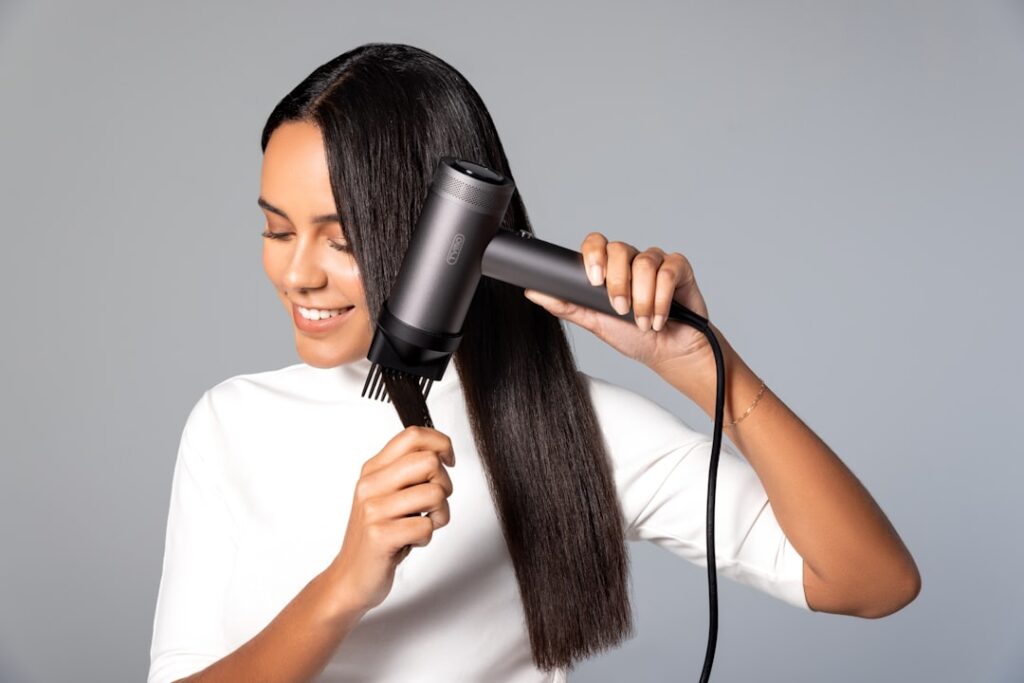
Is Letting Hair Air-Dry Healthier Than Using a Blow-Dryer?
Air-drying can be gentler on hair because it avoids direct heat, which is known to strip moisture and can lead to damage over time. Still, this method isn’t automatically better for every hair type or for all local residents of Hollidaysburg, PA, especially during chilly winters.
Hair is most fragile when wet. Allowing hair to stay damp for extended periods—as can happen with air-drying—may leave strands more vulnerable to breakage, especially if hair is fine, thin, or prone to tangling. Fungal scalp issues are rare but possible if the scalp stays damp for hours, which can happen in homes with high humidity, such as during parts of the spring and summer in this area.
For many, air-drying works best for short hairstyles or for thicker hair that doesn’t hold moisture for long. If quick drying is needed because of errands or social schedules, blow-drying can be more practical, especially on cold mornings typical in late fall through early spring in the region.
Does Blow-Drying Always Cause Damage?
Blow-drying, if done improperly, can dehydrate hair shafts and create split ends, but using proper techniques dramatically reduces these risks. Modern dryers often feature adjustable temperature and speed settings. Using a low or medium heat setting and keeping the dryer about six inches away from the hair helps minimize potential harm.
Benefits of blow-drying include faster results—a practical concern during cold months in the city, when leaving the house with wet hair can be uncomfortable or even unhealthy. For those in Hollidaysburg who head to school, work, or local events early in the morning, a quick blow-dry makes dampness less of a concern.
Still, daily use of high heat without a heat protectant product can weaken hair’s outer layer (cuticle) over time. Alternating drying methods or letting hair air-dry partway before finishing with a blow-dryer reduces exposure and is a common approach for those seeking balance.
How Does Local Climate in Hollidaysburg Affect Drying Choices?
Local temperature and humidity should play a role in your drying routine. Hollidaysburg faces varying seasons: humid and sometimes muggy summers, and cold winters. In winter, air-drying can leave hair and scalp cold for extended periods, which can be uncomfortable if heading outdoors or into drafty older buildings common in the community. Blow-drying becomes more practical in these months.
Summer humidity can lead to longer air-dry times and may leave some residents with frizz, especially if their homes do not have central air. For those with thick or curly hair, this can make styling difficult after natural drying. Using a blow-dryer with a diffuser can help control frizz while still minimizing heat exposure.
What Are Common Misconceptions About Drying Hair?
A frequent misconception is that air-drying is always the healthiest option, while blow-drying is automatically harmful. Both methods have their best uses, and risks are influenced more by technique and frequency than by the mere choice between air or heat.
Some think air-drying never causes any damage, but going to bed with wet hair or letting it stay damp under hats or scarves (especially during outdoor winter activities or sports in the city) may promote breakage or mild fungal issues on the scalp.
Another common belief is that blow-drying on cool settings is ineffective. In fact, finishing blow-drying with a cool shot helps smooth hair cuticles, reduce frizz, and increase shine, making it a useful step for anyone looking to keep hair looking polished after heat styling.
Who Should Prefer One Method Over the Other?
Hair type and daily routine dictate the best choice:
- Those with very fine, fragile, or chemically processed hair may fare better with gentle air-drying, or by blow-drying only until about 75% dry and letting the rest happen naturally.
- People with thick, dense, or curly hair might prefer a controlled blow-dry with a diffuser to avoid lasting dampness and combat frizz, especially during Hollidaysburg’s humid stretches.
- Busy school mornings or workdays, particularly in colder months, may require a blow-dryer for comfort and convenience.

Children or older adults with less robust immune systems could benefit from avoiding leaving the house with wet hair during windy or cold times of year.
Are There Practical Tips for Safer Drying, Regardless of Method?
Reducing potential downsides is possible with a few local-friendly habits:
- For air-drying:
- Gently squeeze extra water from hair with a soft towel—do not rub harshly.
- Detangle hair before it dries to prevent unnecessary pulling or breakage.
- If air-drying indoors in winter, stay away from drafty windows or entrances to prevent lingering dampness.
- For blow-drying:
- Use a heat protectant spray or serum found at most area pharmacies or supermarkets.
- Keep dryer temperature moderate and don’t hold it too close to the scalp.
- Move the dryer around instead of holding it in one spot.
Alternating the two methods based on weather and schedule is common in the community, supporting both hair health and local lifestyles.