

 See My Latest Article on HelloNation
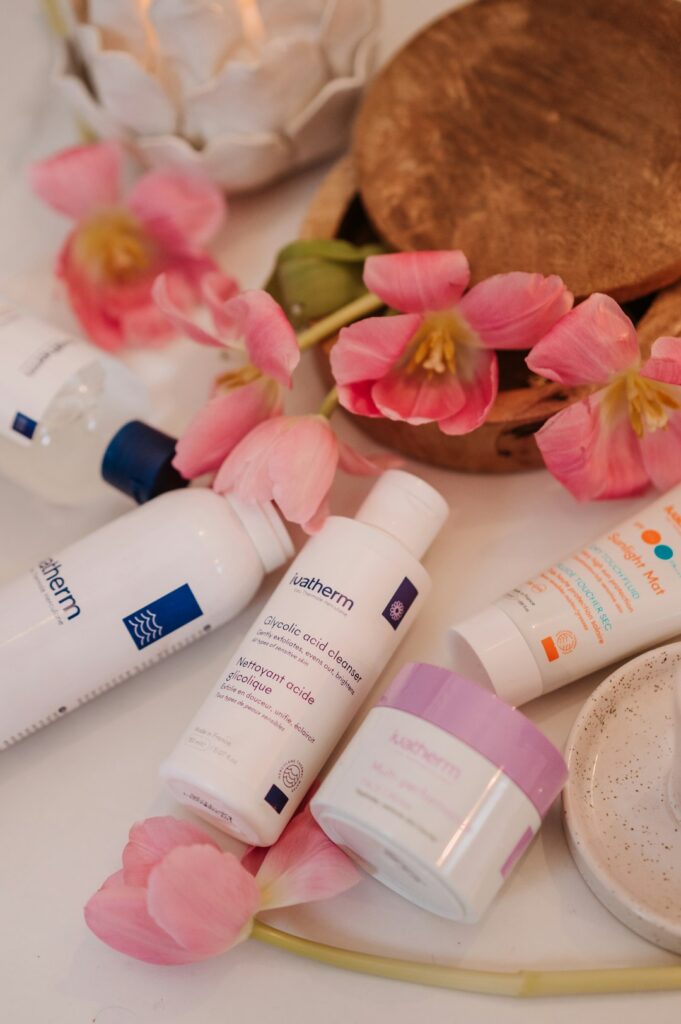
Do Seasonal Changes Affect Your Skin?
Yes, the shift in seasons can have a significant influence on how your skin looks and feels in Hollidaysburg, PA. Local residents experience distinct seasonal challenges—from humid summers to freezing winters—that can impact everything from moisture levels to sensitivity. Changing temperatures, indoor heating, outdoor wind, and humidity shifts all contribute to how skin behaves throughout the year.
Why Does Skin React Differently Throughout the Year?
As temperatures rise or fall, your skin’s environment changes. For example, summer’s high humidity may make some skin types oilier, while winter’s dry cold air often causes flakiness or tightness. In Hollidaysburg, many households use indoor heating during cold months, which can draw moisture from the air and dry out skin further. Living in a region with definite seasonal swings means your skincare needs might change several times a year.
What Kinds of Adjustments Are Common in Skincare?
Most people don’t need to completely overhaul their routines every season. Small tweaks are usually enough:
- In winter, residents often benefit from using a gentler cleanser and a richer moisturizer to combat dryness.
- During the summer, lightweight lotions and increased sun protection can help prevent clogged pores and sun damage.
- Spring and fall may require only minor adjustments, like swapping formulas as household heating or cooling habits change.
How Do Local Weather Patterns Influence Skin Needs?
Hollidaysburg’s climate has distinct cold periods and warm, humid stretches. In winter, cold air and wind can disrupt the skin barrier, increasing sensitivity. Colder months are notorious for dry, chapped skin, especially on the face, lips, and hands. In summer, local humidity makes sweat and oil more noticeable, especially for those spending time outdoors or involved in sports.
Area homes often rely on forced-air heating, which reduces indoor humidity, while air conditioning in warmer months may also dry the air, albeit less dramatically. Both systems can leave skin feeling tight or more prone to irritation.
Is It Necessary for Everyone to Switch Products Seasonally?
Not everyone needs dramatic changes, but monitoring how skin feels can help guide adjustments. Those with very dry, oily, or sensitive skin tend to notice the seasonal difference most. Others might find minor changes—like swapping to a richer cream in January or adding a lighter lotion in July—are all that’s needed.
A few practical signs it may be time to adjust:
- Persistent dryness or new flakiness in winter
- Increased breakouts or oiliness in summer
- Redness or stinging sensation from regular products
- Makeup that suddenly settles differently
Are There Risks to Switching Products Too Often?
Frequent, drastic changes can disrupt skin’s balance. Many residents are tempted to overhaul their entire routine as soon as the weather shifts, but introducing new ingredients too quickly can cause irritation. Gradual changes—one product at a time—let you notice what works best for your skin without overwhelming it. When trying a new moisturizer or cleanser, it’s best to monitor for reactions over a week or two before making additional changes.
What About Environmental and Lifestyle Factors Unique to the Area?
In Hollidaysburg, locals often spend more time outdoors with each season, whether it’s yard work, sports, or festive winter walks. Sun exposure isn’t only a summer concern—reflection from snow in winter can increase the risk of sunburn. Many also report sensitivity from indoor air that becomes especially dry once heating is turned on in autumn.

Common habits, like frequent hand washing during flu season or outdoor activities in pollen-heavy months, can also cause seasonal surges in irritation or flare-ups. Adjusting for these small but local details makes skincare more effective.
How Can Residents Adapt Skincare Through the Year?
A few locally-relevant tips:
- Keep a humidifier running in the bedroom during winter to add moisture back to indoor air.
- Switch to a thicker hand cream as soon as the heat comes on.
- Use sunscreen year-round, especially during outdoor winter activities.
- Store skincare products in a cool, dry place to prevent separation during hot or cold spells.
- Rinse off sweat and sunscreen promptly after summer activities to prevent clogged pores.
Are There Misconceptions About Skincare and Weather Shifts?
A common myth is that only those with very dry or very oily skin need to alter their routine with the seasons. In reality, most skin types see at least minor changes, especially in regions with true winter and summer extremes. Another misconception is that sunscreen isn’t needed outside of summer—UV rays can still damage skin on cloudy or snowy days.
What Should Households Watch for When Adjusting Skincare?
Residents should observe how their skin feels and looks—tightness, flaking, or shine are all clues. If persistent irritation, redness, or sudden breakouts develop, that could indicate a sensitivity to either the climate shift or new ingredients.
For households with multiple members, differences in age and skin type often mean not everyone needs the same approach. Children and older adults may have more sensitive skin; adjusting products accordingly can reduce seasonal discomfort.
When Might It Be Better to Wait Before Making Changes?
If the weather fluctuates widely within a single week—as sometimes happens in spring or fall—waiting for a consistent pattern can be helpful. Sharp daily temperature swings may prompt short-term dryness or oiliness that resolves without the need for new products.