

 See My Latest Article on HelloNation
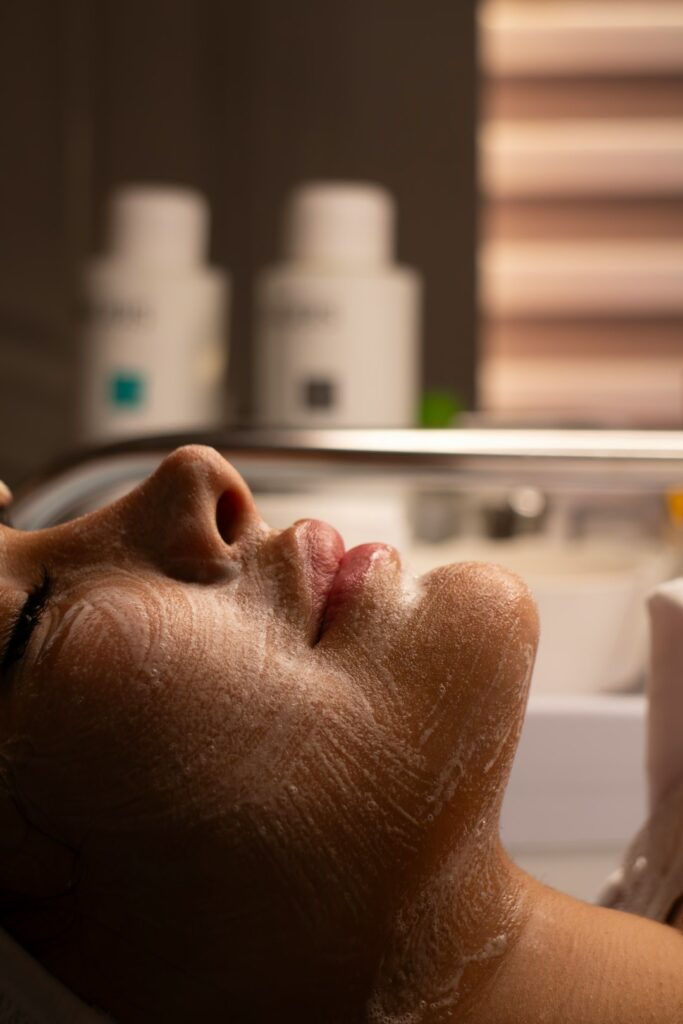
A professional facial is a structured skin-care treatment designed to cleanse, exfoliate, hydrate, and support the comfort and appearance of the skin. The experience is usually gentler and more thorough than a basic at-home routine, but it is not the same as a medical dermatology treatment.
For local residents, a facial can be useful before a special event, during seasonal skin changes, or simply as a guided way to understand what the skin may need. Results and comfort depend on the treatment selected, the condition of the skin, and how well aftercare instructions are followed.
What happens during a professional facial?
Most facials follow a general sequence, although the products and techniques vary. The treatment commonly begins with a brief discussion about skin concerns, allergies, current products, medications, and recent procedures.
The skin is then examined and cleansed. A typical session may include:
- Makeup and surface oil removal
- A second, more thorough cleanse
- Gentle exfoliation
- Warm towels or another method of softening surface buildup
- Limited extractions, when appropriate
- A mask selected for the skin’s condition
- Moisturizer and daytime sun protection
Some facials also include a gentle massage of the face, neck, shoulders, hands, or scalp. Massage may feel relaxing, but it should not cause significant pain, pulling, or bruising.
The exact order is not universal. For example, sensitive skin may need minimal exfoliation and no extractions, while congested skin may require a different approach. A knowledgeable skin-care professional should adjust the treatment rather than follow the same routine for every person.
How long does a facial take?
A standard facial often lasts about 45 to 75 minutes. Shorter treatments may focus on cleansing and hydration, while longer sessions may include more consultation, massage, or carefully selected exfoliation.
The treatment should not feel rushed. Time is usually needed to discuss sensitivities, remove products properly, observe how the skin reacts, and explain aftercare. A longer appointment does not automatically mean a better result, especially if the skin is reactive or already irritated.
Will a professional facial hurt?
Most of the treatment should feel comfortable, although mild tingling or pressure can occur. Extractions may be uncomfortable in some areas, but sharp pain, burning, intense stinging, or prolonged heat are warning signs that the treatment should be adjusted or stopped.
Exfoliating products can create a temporary tingling sensation. That does not mean stronger discomfort will produce better results. Overly aggressive scrubbing, repeated extraction, or excessive use of acids can weaken the skin barrier and increase redness.
People with rosacea, eczema, very sensitive skin, active rashes, or recently sunburned skin may need a modified treatment or may need to postpone it until the skin has recovered.
What should happen before the appointment?
Skin is easier to assess when it is close to its normal condition. Avoid introducing several new products immediately beforehand. It is also wise to mention:
- Known allergies or fragrance sensitivity
- Prescription creams, acne treatments, or retinoids
- Recent waxing, laser treatments, peels, or injections
- Active cold sores, rashes, open areas, or sunburn
- A history of easy bruising or strong reactions to skin-care products
Shaving, waxing, or using a strong exfoliant shortly before a facial can increase sensitivity. If the skin feels raw, tight, or unusually warm, postponing may be safer than adding another treatment.
Arriving with a clean face is not always required because cleansing is usually part of the service. However, avoiding heavy makeup can allow more time for skin assessment and treatment.
What should the skin look and feel like afterward?
Many people notice softer, cleaner-feeling skin and a temporary healthy-looking glow. Mild pinkness may occur, particularly after exfoliation or extractions. This usually settles relatively quickly, but the exact recovery time depends on the person and the treatment.
A facial should not leave widespread swelling, blistering, severe burning, or painful irritation. If those symptoms develop, the treated area should be kept simple and free from additional active products while medical guidance is considered.

The skin may also feel slightly dry or tight for a short time. Applying a gentle moisturizer and avoiding unnecessary touching can help support the skin barrier.
What aftercare is usually recommended?
Aftercare is generally simple. For the remainder of the day, the skin may benefit from:
- Gentle cleansing rather than scrubbing
- A plain moisturizer suited to the person’s skin
- Avoiding strong exfoliants, retinoids, or acne treatments unless specifically advised
- Limiting heat, intense sweating, and activities that increase facial flushing
- Using broad-spectrum sunscreen during daylight exposure
Sun protection matters throughout the year, including during cooler months when outdoor brightness can still affect exposed skin. Hollidaysburg’s seasonal changes may also influence comfort: cold, dry air can contribute to tightness, while warm and humid periods may increase oiliness or perspiration.
A facial is not a substitute for daily skin care. Cleansing gently, moisturizing consistently, and protecting the skin from ultraviolet exposure generally have more lasting value than an occasional treatment.
Can a facial clear acne or remove wrinkles?
A facial may temporarily improve the appearance of clogged pores, surface dryness, or dullness, but it does not permanently cure acne or erase wrinkles. Acne that is painful, persistent, cystic, or leaving scars may require medical evaluation rather than repeated cosmetic treatments.
Extractions can remove some existing congestion, but they do not prevent new breakouts. Squeezing at home can increase inflammation, discoloration, and the chance of scarring. A facial also cannot replace treatment for rosacea, eczema, allergic reactions, or unexplained changes in a mole or lesion.
Hydrating treatments can make fine lines look less noticeable for a short period because well-moisturized skin reflects light differently. That temporary effect should not be confused with a permanent change in skin structure.
How often is a facial appropriate?
There is no universal schedule. Some people choose occasional treatments several times a year, while others may benefit from a more consistent routine based on skin tolerance and goals. More frequent treatments are not automatically better.
The right interval depends on whether the skin is oily, dry, sensitive, acne-prone, mature, or easily irritated. A person using prescription acne medication or strong exfoliating products may need a gentler approach and more recovery time.
A useful treatment plan should account for the skin’s response over time rather than rely on a fixed calendar. Persistent redness, repeated irritation, or worsening breakouts are reasons to reconsider the treatment method.
Is every facial appropriate for every person?
No. Pregnancy, breastfeeding, allergies, active infections, recent cosmetic procedures, prescription medications, and chronic skin conditions can affect which products and techniques are suitable. Some ingredients and procedures may need to be avoided or cleared with a medical provider.
People should also expect clear explanations about what will be applied, how extractions will be performed, and what reactions are considered normal. Clean equipment, hand hygiene, fresh linens, and proper product handling are basic safety expectations.
A professional facial should leave the skin feeling cared for, not punished. The most useful treatment is usually the one that respects the skin barrier, responds to current conditions, and provides realistic expectations about what cosmetic skin care can and cannot accomplish.