

 See My Latest Article on HelloNation
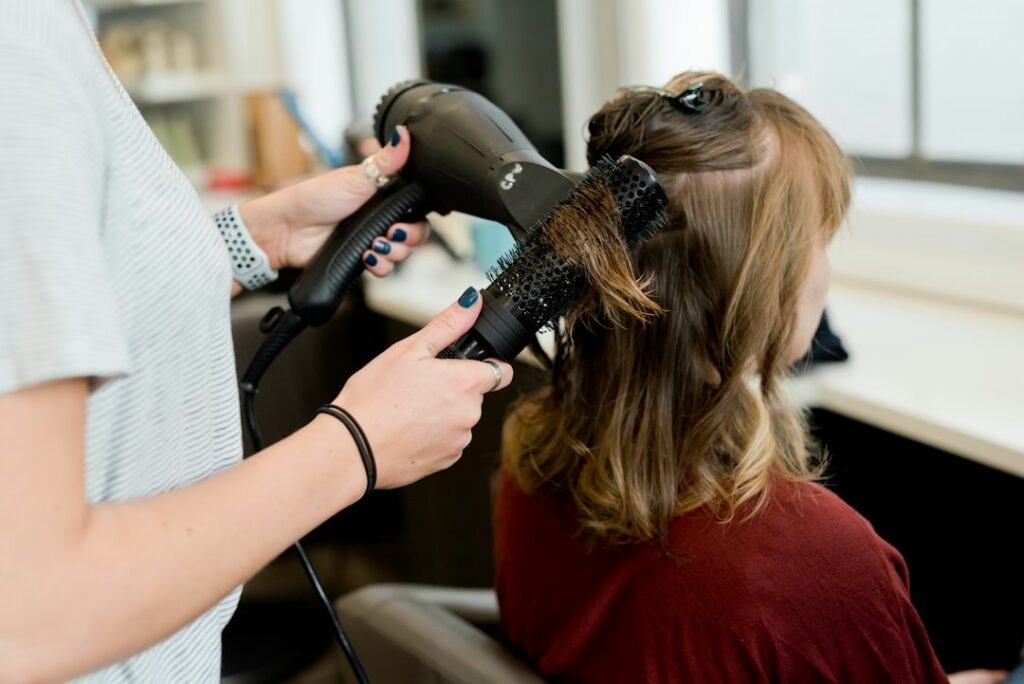
Hair color usually fades because of repeated washing, heat, sunlight, mineral buildup, and chemical stress—not because the color was necessarily applied incorrectly. A few changes to washing, drying, styling, and seasonal hair care can help preserve tone and shine between color services.
How soon should you wash freshly colored hair?
Waiting about 48 hours before the first shampoo can help newly deposited color settle into the hair more fully. Washing immediately is not always disastrous, but frequent early washing may remove some surface color before it has had time to stabilize.
After that first wash, the most important factor is frequency. Shampooing every day can make color fade faster, especially with vivid shades, red tones, copper tones, and semi-permanent color. If the scalp becomes oily quickly, extending the time between washes gradually may be more realistic than making a sudden change.
A practical routine may include:
- Washing every two to three days when comfortable
- Using lukewarm rather than hot water
- Applying shampoo mainly to the scalp
- Allowing the lather to rinse through the lengths instead of scrubbing them repeatedly
- Conditioning the mid-lengths and ends after each wash
The right schedule depends on scalp oil, exercise, hair texture, and styling habits. A person with a naturally oily scalp may need more frequent cleansing, while dry, curly, coarse, or chemically lightened hair often benefits from less frequent washing.
Does water temperature affect hair color?
Yes. Hot water can lift the outer cuticle of the hair, which may allow color molecules and moisture to escape more quickly. It can also increase dryness, making the hair look dull even when the color itself has not faded dramatically.
Use comfortably warm water while cleansing and finish with a cooler rinse if it feels practical. The cooler rinse is not a cure for fading, but reducing heat exposure can help the cuticle lie flatter and improve the appearance of shine.
This is especially useful during cold Pennsylvania winters, when indoor heating and dry air can already leave hair more brittle. Hot showers may feel appealing in colder weather, but they can add stress to color-treated hair and the scalp.
What type of shampoo helps color last longer?
A gentle, color-safe shampoo is generally less disruptive than a strong cleansing formula. Look for products described as sulfate-free or formulated for color-treated hair, while remembering that labels are not a guarantee of identical results for every person.
Clarifying shampoos can be useful when there is heavy buildup from styling products, hard water, chlorine, or mineral deposits. However, frequent clarifying can strip moisture and make some colors appear to fade faster. Most people should use a clarifying treatment only occasionally and according to the product directions.
Purple, blue, or other toning shampoos can help manage unwanted yellow, orange, or brassy tones, but they do not replace regular color maintenance. Overuse may leave hair looking dull, overly cool, or uneven. A toning product should be selected based on the unwanted tone and used sparingly at first.
How can heat styling shorten the life of hair color?
Flat irons, curling irons, hot brushes, and blow dryers can contribute to fading and dryness. High heat may damage the hair’s protective outer layer, making it harder for the strands to retain both moisture and color.
To reduce heat-related wear:
- Apply a heat protectant before using hot tools
- Let hair air-dry partially before blow-drying
- Use the lowest effective temperature
- Keep the tool moving instead of holding it in one spot
- Avoid repeatedly restyling the same section
- Give the hair occasional days without hot-tool styling
Heat protectant does not make hair damage-proof. It is one layer of protection, not permission to use maximum heat every day. Lightened hair and fine hair often require extra care because they may be more fragile.
Can sunlight and outdoor conditions fade color?
Sunlight can gradually lighten or alter colored hair, particularly during extended outdoor exposure. Ultraviolet radiation may affect artificial pigment and can also dry the hair, making the color look less reflective.
Hats, scarves, shade, and leave-in products with UV protection can help during long periods outside. This matters during bright summer days, outdoor recreation, gardening, and time spent near reflective surfaces such as water or pale pavement.
Swimming can also affect color. Chlorinated water may leave hair dry or slightly greenish, especially when blonde or porous hair is involved. Wetting the hair with clean water before swimming and rinsing promptly afterward can reduce the amount of treated water absorbed by the strands. A swim cap provides additional protection.
Does hard water cause hair color to fade?
Minerals in tap water can accumulate on the hair and affect its texture, shine, and color appearance. Iron, copper, calcium, and magnesium may leave hair feeling coated or rough. In some cases, mineral buildup can make blonde hair look brassy or cause lighter shades to appear dull.
Signs of buildup may include:
- Hair that feels waxy or unusually dry after washing
- Color that looks uneven despite a consistent routine
- Reduced shine
- Difficulty getting conditioner to spread
- A change after moving to a different home or water supply

A periodic chelating or mineral-removing treatment may help, but these products can be drying if overused. Follow the directions carefully and use a moisturizing conditioner afterward. If the problem continues, the water source and the hair’s porosity may both be contributing factors.
How often should colored hair be conditioned?
Colored hair benefits from consistent conditioning because dryness makes fading and dullness more noticeable. Use conditioner after shampooing, focusing on the mid-lengths and ends rather than applying large amounts directly to the scalp.
A deeper conditioning treatment once a week may help hair that is dry, lightened, curly, or frequently heat-styled. Hair that is fine or easily weighed down may need a lighter formula or less frequent treatment.
Leave-in conditioner can help reduce friction from brushing, clothing, scarves, and winter dryness. Use a small amount and distribute it evenly so the hair does not become heavy or greasy.
Are home color products safe for maintaining color?
At-home color-depositing masks, glosses, and toning products can refresh certain shades, but they should be used cautiously. They may stain porous areas more strongly, create uneven results, or interact unpredictably with previously lightened hair.
Before applying a new product, read the instructions and consider testing it on a small hidden section. Avoid layering several pigment-heavy products without understanding how they work together. A color-depositing product adds or adjusts tone; it does not correct every uneven result or safely replace all forms of professional color work.
What habits help hair color stay attractive between washes?
Color retention is closely connected to hair condition. Gentle handling can make the shade appear healthier for longer.
Try to:
- Detangle from the ends upward with a suitable brush or wide-tooth comb
- Sleep with hair loosely secured rather than tightly pulled
- Use a smooth pillowcase if friction is a concern
- Avoid tight styles that repeatedly stress the same areas
- Trim visibly split ends as needed
- Keep styling products from accumulating on the scalp and lengths
Residents in Hollidaysburg may also notice seasonal changes in hair behavior. Winter dryness can increase static and breakage, while summer sun, humidity, swimming, and sweating may require more frequent rinsing or conditioning. Adjusting the routine by season is often more effective than using the same products year-round.
When should fading or damage be evaluated?
Some fading is normal, but sudden changes may point to another issue. Seek informed guidance if hair becomes unusually fragile, breaks during brushing, develops persistent scalp irritation, or changes color dramatically after exposure to water, medication, or a new product.
The goal is not to prevent every shift in tone. Hair color naturally softens over time. The most reliable approach is to wash thoughtfully, limit unnecessary heat, protect hair outdoors, manage mineral buildup, and keep the strands well conditioned.