
 See My Latest Article on HelloNation
What Are Scalp Massages and How Are They Performed?
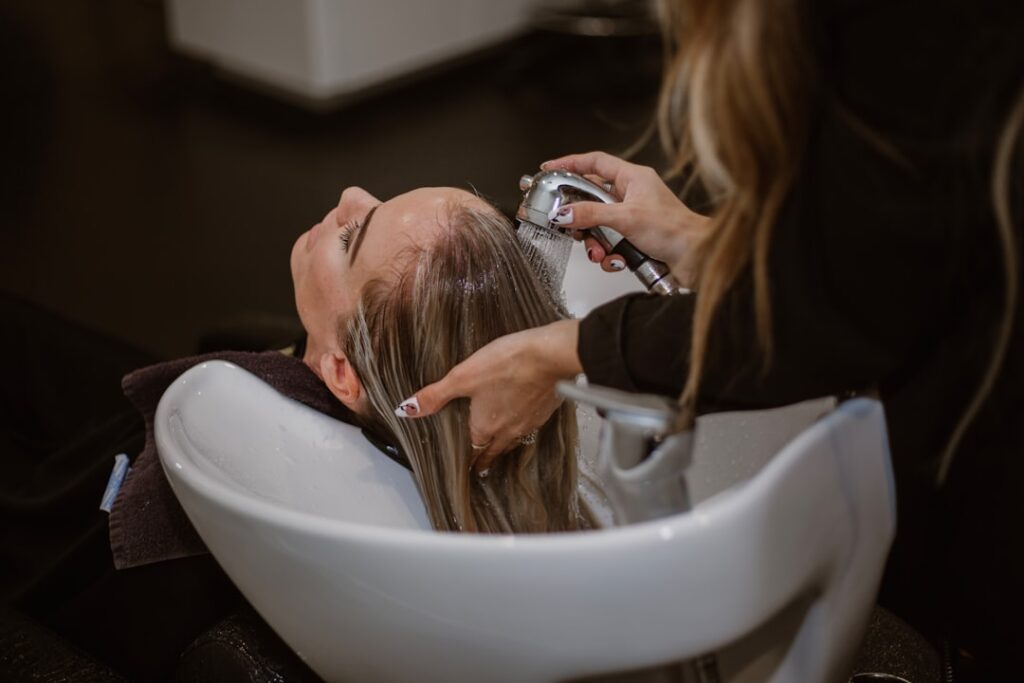
A scalp massage involves gentle or moderate pressure applied with the fingertips in slow, circular motions across the scalp. Some methods use oils, while others are performed on dry hair and skin. The technique can be as simple as a few quiet minutes of self-care at home or built into a comprehensive routine by a trained provider. In Hollidaysburg, most people experience scalp massages as part of a haircut, spa visit, or personal self-care.
Are There Real Health Benefits to Scalp Massages?
Consistent evidence and everyday experience suggest several benefits for both hair and overall wellbeing. Scalp massages increase blood circulation to skin and underlying tissue, which can stimulate hair follicles and support scalp health. This practice also triggers relaxation through physical touch, which may help relieve tension and ease headaches.
Specific benefits often reported by area residents include:
- Noticeable relaxation within minutes, useful during high-stress times such as long winters or busy family schedules
- Improved comfort for those who experience scalp tightness from hats, helmets, or updos
- Natural moisture redistribution, helping with dryness common in seasonal climate shifts
How Do Scalp Massages Affect Hair Growth or Hair Health?
Scalp massages are not a cure for medical hair loss, but increased circulation can deliver nutrients to follicles and may encourage a healthier environment for hair growth. The direct stimulation may also help loosen and shed dead skin cells or product buildup, allowing the scalp to breathe.
Local households often find these effects most noticeable after periods of dry, indoor heat or post-seasonal shedding. While results won't appear overnight, routine massage can help support:
- Slight reduction in flakiness
- A softer, more relaxed scalp texture
- A sense of improved hair manageability
Can Scalp Massages Help with Headaches or Stress Relief?
For people in Hollidaysburg, where changes in weather and routine can bring extra tension, scalp massage can be a surprisingly effective stress reliever. The soothing motion is known to release tightness in the head, neck, and even shoulders. Many people feel calmer after just five to ten minutes, making scalp massage a practical tool for:
- Managing tension headaches
- Creating a quiet moment before bed or after a tiring day
- Supporting stress relief during seasonal shifts, for example after shoveling snow or heavy yardwork
It's not a substitute for medical treatment, but it can be used as part of an overall strategy for managing daily discomfort.
What Are Some Simple Techniques for Giving Yourself a Scalp Massage at Home?
Self-massage can be adapted to fit busy routines or quiet evenings. For those unfamiliar, a basic approach involves:
- Using clean fingertips (not nails) to apply gentle pressure
- Starting at the front hairline and moving in small circles toward the back of the head
- Covering the sides and finishing at the base of the skull
- Massaging for three to five minutes, either with dry hands or after applying a light hair oil (if desired)

Many local residents perform scalp massages while shampooing in the shower, combining cleansing with stress relief. Some prefer to use a massage brush designed for the scalp, especially if dealing with longer or thicker hair.
Are There Risks or Who Should Be Cautious About Scalp Massages?
For most people, scalp massage is considered safe and low risk. However, individuals should use caution in certain situations:
- If there are open wounds, severe sunburn, or skin infections on the scalp, massaging can worsen irritation or delay healing
- Those with certain scalp conditions (such as psoriasis or eczema) may find that massage increases sensitivity—adjust pressure as needed or skip the practice during flare-ups
If someone in the community experiences unusual pain, bleeding, or swelling of the scalp, or if hair loss comes on suddenly, it is best to check with a healthcare provider before starting self-massage routines.
Can Weather and Local Conditions Influence the Benefits?
Seasonal factors in Hollidaysburg can make scalp care feel more necessary. Cold months may dry out the scalp due to indoor heating, leading to itchiness or flakes. A gentle massage during these periods can help spread natural oils, boost comfort, and ease some of the tightness from bundled-up winter habits. In humid summers, massage can support regular cleansing and refresh the scalp after outdoor activities.
Many households notice increased benefits when adapting routines slightly throughout the year, matching techniques and timing to how their scalp and hair feel day to day.
What Are Common Misconceptions About Scalp Massages?
A few misconceptions persist about what scalp massage can—and cannot—accomplish:
- It will not reverse hereditary hair loss or baldness, though it may improve the appearance and comfort of existing hair
- Heavy or harsh pressure does not offer greater benefits; gentle, consistent motion is most effective
- Oils or expensive products are not required—basic, clean hands are sufficient for most people
Understanding these points helps area residents focus on realistic, attainable improvements rather than holding out for dramatic changes.